

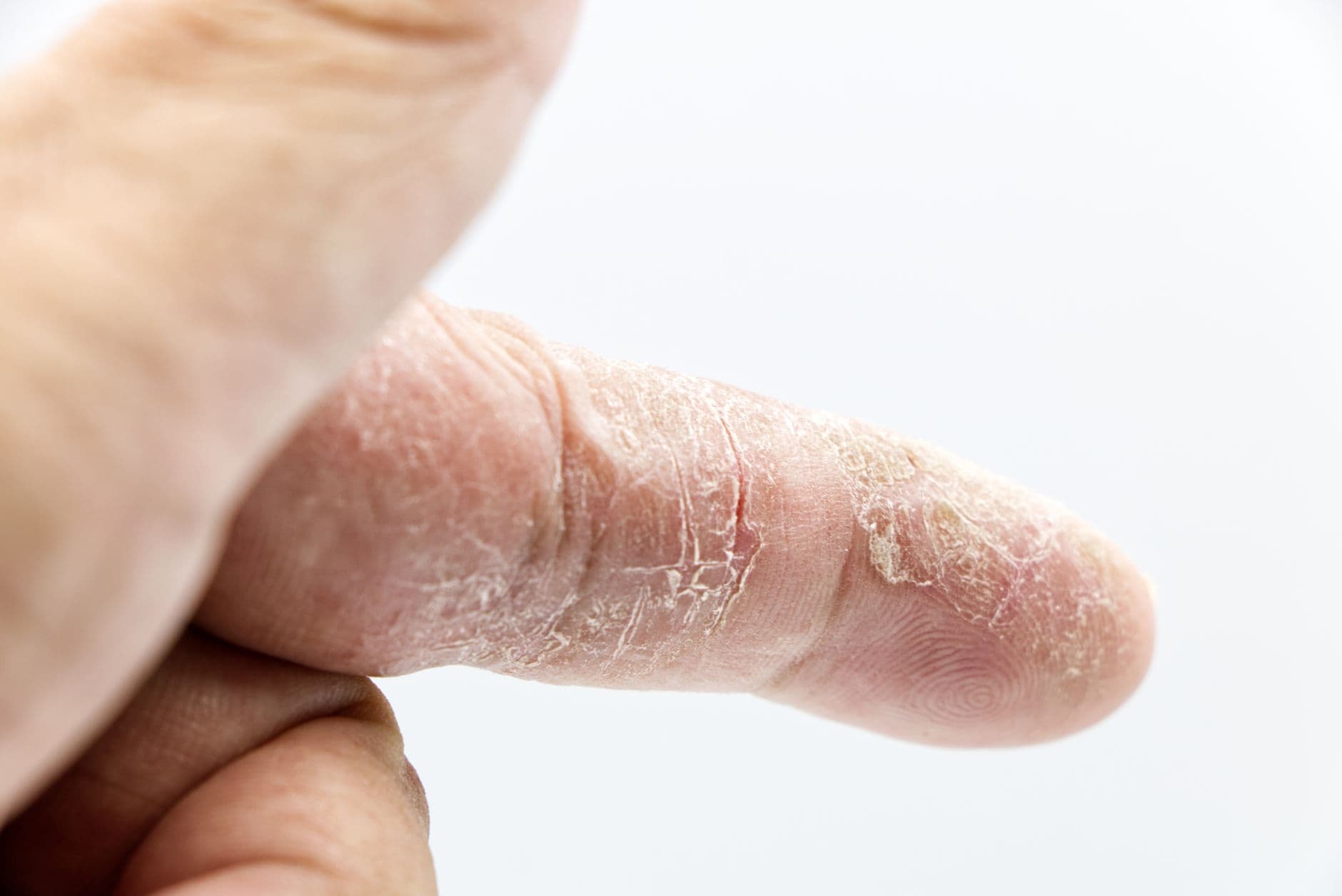

Eczema Isn’t Just for Kids—And It’s Not Just Skin-Deep
Many adults in Oregon and Washington quietly battle eczema—dealing with patches of redness, itching, or cracked skin that seem to flare up with stress, weather, or no clear reason. If you’ve cycled through creams or prescriptions but still struggle, you’re not alone. At Cove Naturopathic, we see eczema as more than a surface issue—it's a sign that something beneath the skin needs attention.
Why Eczema Is on the Rise for Adults in the PNW
The Pacific Northwest brings beauty, but also some environmental factors that can aggravate eczema. Our damp climate means more mold spores and indoor humidity swings. Home heating in winter and air conditioning in summer can dry out skin. Add in urban pollution and seasonal pollen, and it’s a perfect storm for sensitive skin.
But there’s more: Adult eczema is often linked to stress, sleep disruption, food sensitivities, or even the health of your gut. For many, it’s not just about what touches the skin—it’s about what’s happening inside the body.

The Conventional Approach: Pros and Pitfalls
Conventional medicine offers topical steroids, emollients, and (for severe cases) immune-modulating drugs. These can be lifesavers during flares and may be necessary at times. But many patients feel frustrated by the cycle—relief, rebound, repeat. Steroid creams can thin the skin over time, and long-term medication isn’t appealing for everyone.
We support a balanced approach: Use what brings symptom relief now, but let’s also look for the roots beneath the rash.
Digging Deeper: What Drives Adult Eczema?
We often find a web of factors:
- Barrier Breakdown: Eczema-prone skin loses moisture easily and lets irritants in. Genetics matter, but so does your environment.
- Allergic Triggers: PNW pollen, pet dander, dust mites, and mold all act as triggers for some.
- Food Sensitivities: Dairy, gluten, eggs, and certain additives can drive inflammation in susceptible adults—even if allergy tests are negative.
- Gut Health: Imbalances in your microbiome, or a “leaky gut,” may increase systemic inflammation and skin reactivity.
- Chronic Stress: The skin-brain connection is real. Stress hormones can worsen itching and slow healing.
- Low-Grade Infections: Sometimes, staph bacteria on the skin or even a dormant viral infection are part of the picture.
What We Can Address: Practical Strategies
Every patient’s eczema story is unique, but here’s where we start:
1. Strengthen the Skin Barrier
- Opt for fragrance-free, hypoallergenic moisturizers. Ointments (like plain petrolatum or ceramide-based balms) lock in moisture better than lotions.
- After bathing, pat skin dry and apply moisturizer within 3 minutes (the “soak and seal” routine).
- Use a humidifier during dry PNW winters, but clean it regularly to avoid mold buildup.
2. Identify and Minimize Triggers
- Keep a symptom diary: Note flare-ups alongside exposures—foods, stress, new soaps, pollen seasons.
- In the PNW, consider dust mite covers for pillows and bedding, and wash linens in hot water.
- If you suspect mold at home, address leaks promptly and consider air purifiers with HEPA filters.
3. Support Gut and Immune Health
- A trial elimination diet (with careful reintroduction) can sometimes pinpoint food triggers. This should be done with guidance.
- Add fiber-rich, prebiotic foods: oats, flaxseed, artichokes, and onions help nourish beneficial gut bacteria.
- Consider a high-quality probiotic if you have a history of antibiotics, digestive issues, or frequent eczema flares.
4. Mind the Mind-Skin Connection
- Mindfulness, breathwork, or short daily walks can help regulate stress—even five minutes matters.
- If sleep is disrupted by itching, focus on a calming evening routine. Magnesium (in food or as a supplement) may support restful sleep.
5. Know When to Seek Help
- If your skin is weeping, crusting, or very painful, infection may be present—see a healthcare provider promptly.
- Don’t hesitate to lean on prescription treatments when needed. The goal is to control severe symptoms while working on underlying patterns.
Real-World Example: Anna’s Story
Anna, a 36-year-old tech professional in Seattle, came to us after years of cycling through steroid creams. Her eczema flared every March and October, with stress at work and changes in weather. Together, we:
- Identified that dust mites and oat-based skincare products were triggers.
- Introduced a nightly ceramide-rich ointment and switched her laundry detergent.
- Supported her gut with fiber and a targeted probiotic.
- Practiced short breathing exercises for stress, especially before bed.
Within two months, Anna noticed fewer flares, less reliance on steroid creams, and better sleep. Her journey is ongoing, but by looking beneath the surface, we made meaningful progress.
Action Steps: What Can You Try Now?
- Switch to fragrance-free, thick moisturizers and apply them after every hand wash or shower.
- Keep a two-week diary of foods, stress, sleep, and symptoms—you may notice patterns that surprise you.
- If you’re not sure about your home’s air quality, consider a HEPA purifier and regular dusting.
- Prioritize sleep and stress relief. Even a few deep breaths before bed can calm the itch cycle.
- Reach out if you feel stuck—eczema is complex, and you don’t have to solve it alone.
Eczema Relief, Rooted in You
At Cove Naturopathic, we combine evidence-based natural care with practical conventional tools, always customizing for your needs and lifestyle. If you’re in Oregon or Washington and tired of the eczema cycle, we’re here to help you get to the root of the issue—and finally find some relief from the itch.