

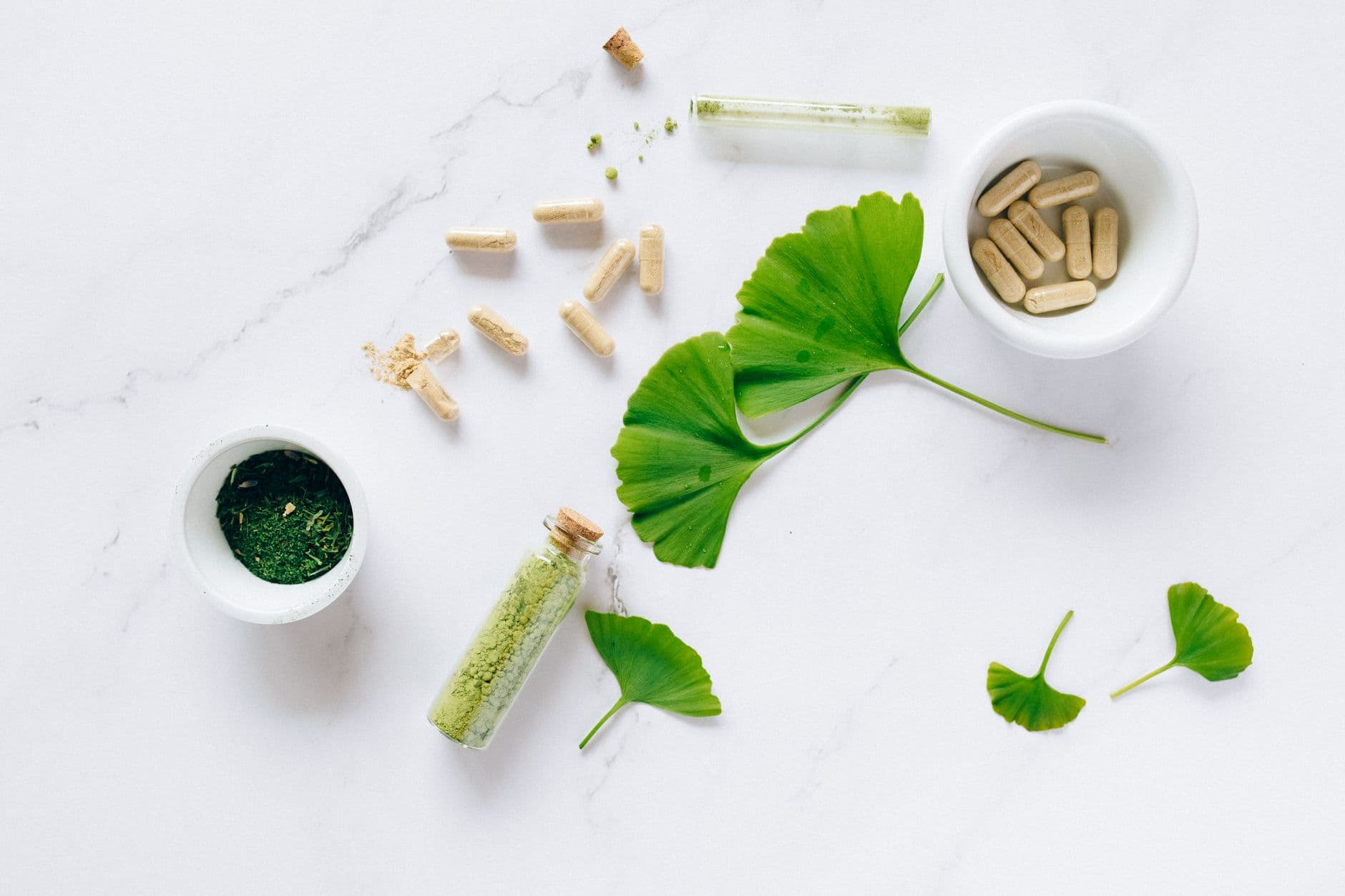

Why Rhodiola Catches Our Attention
When patients tell us they’re tired, unfocused, or mentally foggy, we know there’s no magic bullet. But for some, rhodiola rosea can be a practical, evidence-backed tool that deserves consideration. It’s not hype—just one more thoughtful option in our toolkit.
What Is Rhodiola Rosea?
Rhodiola is a hardy plant that grows in cold, mountainous regions, including parts of the Pacific Northwest. It’s classified as an adaptogen—a substance that helps the body manage stress and adapt to physical or mental challenges. Rhodiola root has a long history in traditional medicine, but we focus on what modern research actually tells us.

How Rhodiola Works in the Body
The core idea: rhodiola may help regulate the body’s stress response. Studies suggest it influences neurotransmitters such as serotonin and dopamine, which can impact mood and cognitive performance. Some evidence points to effects on cortisol, the hormone that spikes when we’re stressed or burning the candle at both ends.
Unlike caffeine or stimulants, rhodiola isn’t about quick jolts of energy. Instead, it’s thought to support resilience—helping you sustain focus and stamina when life gets demanding.
Who Might Benefit from Rhodiola?
We turn to rhodiola most often for adults who experience:
- Mental fatigue from work, parenting, or chronic stress
- Brain fog, especially in the afternoons
- Reduced exercise tolerance or motivation
- Difficulty rebounding from illness or high-demand periods
It’s not a replacement for sleep, nutrition, or addressing deeper health issues—but for the right person, it can be a gentle nudge in the right direction.
What the Evidence Really Shows
Research on rhodiola is promising, but far from conclusive. Several clinical trials show modest improvements in fatigue, cognitive performance, and stress resilience—particularly in people under persistent pressure. For example:
- A 2012 review found that rhodiola supplementation improved fatigue and cognitive function in several studies, with few reported side effects.
- Some trials show improvements in mental processing speed and attention under stressful conditions.
- A small number of studies suggest benefits for mild anxiety and mood, though this is less robust.
We interpret these results cautiously. Rhodiola is not a cure-all, and effects vary widely between individuals. In our experience, it works best as part of a broader strategy.

How We Use Rhodiola in Practice
For patients interested in trying rhodiola, we start with a clear baseline: What’s your typical energy, mood, and focus level? Are there underlying issues (iron deficiency, thyroid changes, burnout) that need to be ruled out first? Once we have that foundation, we may recommend a trial of rhodiola for 4-8 weeks, tracking changes along the way.
Typical approaches include:
- Form: Most people use a standardized rhodiola extract (often 3% rosavins, 1% salidroside) in capsule or tincture form.
- Dose: Start low—often 100-200 mg per day, taken in the morning. Some protocols go up to 400 mg, but higher isn’t always better.
- Timing: Earlier in the day is best, as rhodiola may be stimulating for some.
It’s important to monitor for side effects (see below) and only use products from reputable sources.
Who Should Use Caution (Or Avoid Rhodiola)?
Rhodiola is generally well tolerated, but it isn’t for everyone. We advise extra caution or avoidance in these scenarios:
- Bipolar disorder: There’s a risk of triggering mania in sensitive individuals.
- Pregnancy and breastfeeding: Safety is not well established.
- Certain medications: Rhodiola can theoretically interact with antidepressants, blood thinners, diabetes medications, and others.
- Insomnia or anxiety: Rarely, rhodiola can cause jitteriness or make sleep harder, especially at higher doses or later in the day.
Always check with your healthcare provider before starting a new supplement—especially if you’re on medication or managing chronic health issues.
What to Watch For and How to Track Progress
If you try rhodiola, keep a simple journal of your energy, focus, and mood for a week before and several weeks after starting. Notice patterns: Are you less foggy in the afternoons? Recovering faster from stress? Sleeping well?
If you feel worse—anxious, wired, or can’t sleep—dial back the dose or pause completely. Supplements should never create new problems.

Rhodiola vs. Other Adaptogens: What Makes It Unique?
Unlike ashwagandha (which tends to be more calming and supportive for sleep and anxiety), rhodiola is often described as more energizing and focus-enhancing. It may be a better fit for those who feel sluggish, mentally flat, or need stamina for demanding days—whereas ashwagandha fits those seeking relaxation and mood stability.
That’s why we carefully match adaptogens to individual needs, based on your health picture and goals.
Practical Takeaways
- Rhodiola rosea is a well-studied adaptogen that may help with energy, focus, and stress resilience—especially for busy adults under pressure.
- It works best as part of a broader plan that addresses nutrition, sleep, and underlying health issues.
- Start low, monitor for changes, and use reputable products.
- Not everyone is a candidate—medical guidance is essential for safety, especially if you have mental health conditions or take medication.
Considering Rhodiola? We Can Help
If you’re curious whether rhodiola (or other adaptogens) could fit your situation, we’re here to help you sort through options safely and thoughtfully. At Cove Naturopathic, we take time to understand your whole picture—energy, mood, stress, and lifestyle—before making any recommendations. If you’re in Oregon or Washington and want a nuanced, evidence-based approach to natural medicine, schedule a telehealth appointment with us. Together, we’ll chart a path that makes sense for you.
