



When Focus Feels Out of Reach
Many adults in Oregon and Washington are quietly struggling with focus, distractibility, or feeling chronically overwhelmed. ADHD is not just a childhood diagnosis—it often persists or even emerges in adulthood, sometimes overlooked or misunderstood. We see patients who wonder, “Is it just stress, or is there something more?”
Recognizing ADHD in Adults: More Than Restlessness
Forget the stereotypes of hyperactive boys in school. Adult ADHD often looks like missed deadlines, trouble organizing tasks, or a mind that just won’t slow down. Some people feel restless or impulsive; others experience mental fatigue, forgetfulness, or emotional swings. These symptoms can frustrate even the most health-conscious professionals, parents, or creative thinkers.
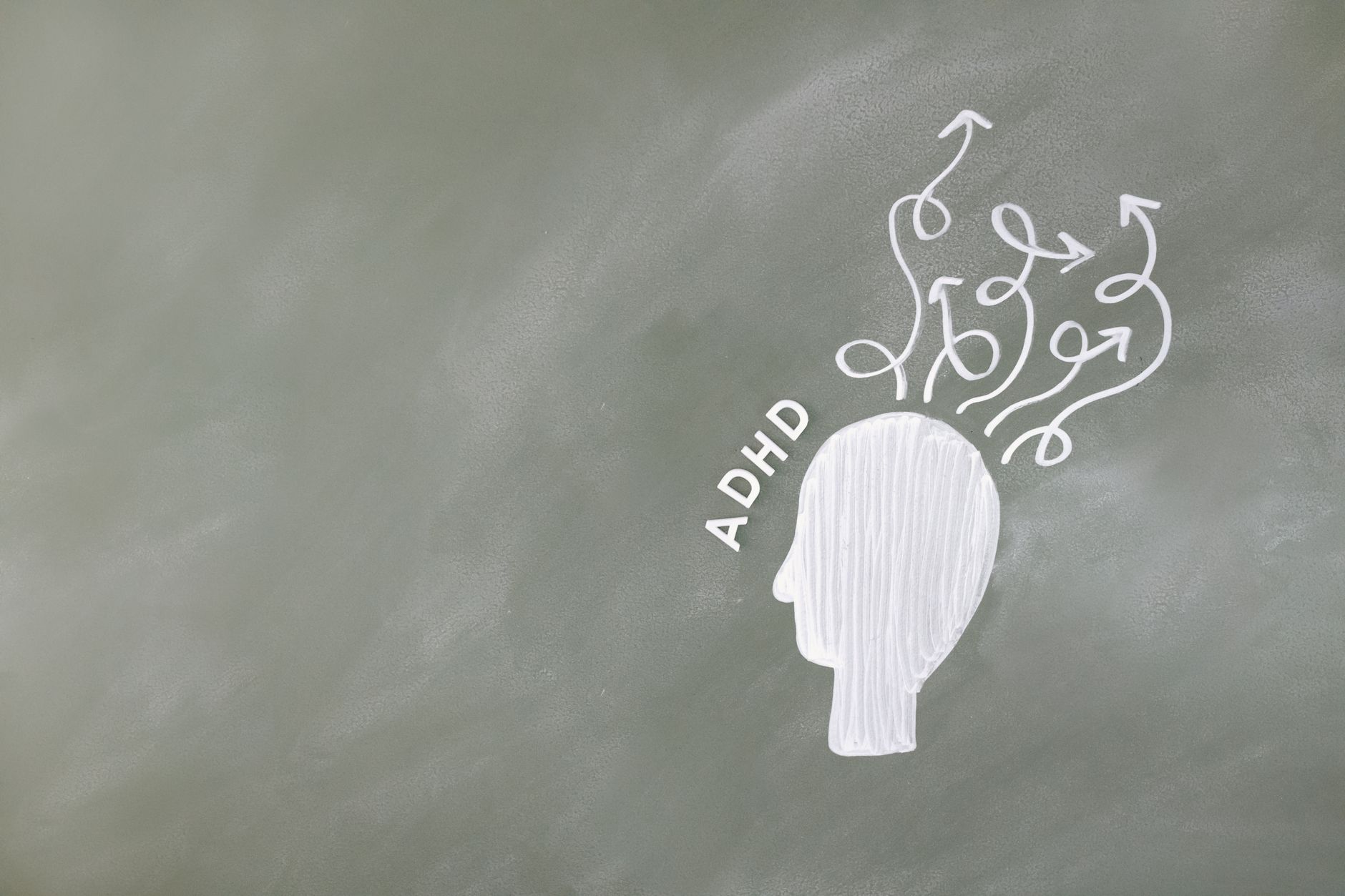
Root Causes: Why ADHD Symptoms Can Flare in Adulthood
We approach ADHD as a complex, multi-layered condition. Genetics play a role, but so do sleep, nutrition, stress, and even environmental factors. In our region, long winters, tech-heavy jobs, and unique stressors can amplify symptoms. For some, hormonal shifts (like perimenopause) or chronic inflammation may worsen attention issues. Looking for underlying contributors—rather than just suppressing symptoms—guides our care.
Assessment: More Than a Checklist
There’s no single test for adult ADHD. Instead, we combine thorough patient interviews, validated questionnaires, and a careful review of health history. Sometimes, we recommend lab work to rule out issues like thyroid dysfunction, iron deficiency, or sleep disorders that can mimic or worsen ADHD. This whole-person assessment is key to designing a plan that actually works.
Lifestyle Foundations: The ADHD Toolkit
We help our patients build a strong foundation for focus, calm, and resilience. This often means:
- Sleep hygiene: Consistent schedules, light exposure in the morning, and minimizing screens at night can transform focus and impulse control.
- Nutrition: Blood sugar swings and nutrient deficiencies (especially iron, magnesium, and omega-3s) can make symptoms worse. We help patients create meals that support sustained energy and brain health.
- Movement: Gentle daily exercise, even simple walks, helps regulate attention and mood. For some, structured routines make a real difference.
- Mindfulness & nervous system regulation: Practices like breathwork, body scans, or short meditations can help ground a racing mind and improve self-awareness.

Natural Support: Evidence-Based, Not Hype
We’re cautious about miracle claims, but some natural options can be part of an ADHD care plan:
- Omega-3 fatty acids: Research suggests fish oil may support cognitive function in some adults.
- Zinc and magnesium: Low levels are linked to worsened symptoms; targeted supplementation may help, but only after checking your status.
- Adaptogens: Herbs like rhodiola or ashwagandha (which we use thoughtfully) may help buffer stress and support focus for certain patients.
- Mindful caffeine use: For some, a small amount of caffeine can boost focus; for others, it increases anxiety or sleep issues. We help patients experiment safely.
Every recommendation is individualized. We avoid one-size-fits-all protocols and are transparent about the evidence and limitations.
Conventional Tools: When Medications Make Sense
We respect that many adults benefit from ADHD medications, especially when symptoms are severe. Our approach is not anti-medication—sometimes, the safest and most effective path is a thoughtful trial of a stimulant or non-stimulant prescription. We work with patients to monitor side effects, support overall health, and (if desired) explore ways to lower reliance on medication over time.
The Overlap: Anxiety, Depression, and Burnout
ADHD rarely exists in a vacuum. Many adults with attention issues also experience anxiety, depression, or work-related burnout. Addressing mental health in a holistic way—sometimes partnering with therapists or primary care providers—improves outcomes. We never dismiss or pathologize stress; instead, we look for patterns and practical changes that fit your real life.

Living Well with ADHD: Practical Steps
- Externalize reminders: Use apps, alarms, or visual cues to offload mental tasks.
- Chunk big projects: Break tasks into smaller steps to reduce overwhelm.
- Prioritize rest: Avoid powering through fatigue—short breaks and body movement can reset focus.
- Compassion, not perfection: ADHD is not a character flaw. Self-criticism only increases stress and distractibility.
When to Reach Out for Help
If you’re wondering whether you’re just scattered or if there’s something more going on, you’re not alone. Many of our patients describe years of “just coping” before seeking support. If attention issues are impacting your work, relationships, or wellbeing, it’s worth exploring with a compassionate, root-cause-oriented provider.
How We Help at Cove Naturopathic
Our team partners with adults across Oregon and Washington to untangle ADHD symptoms, identify underlying triggers, and create a plan that’s practical for busy lives. We blend natural and conventional approaches—always focused on what’s safe, evidence-based, and effective for you. If you’re ready for a fresh perspective on focus, calm, and wellbeing, we invite you to schedule a telehealth consultation with Dr. Mary Harel at Cove Naturopathic.